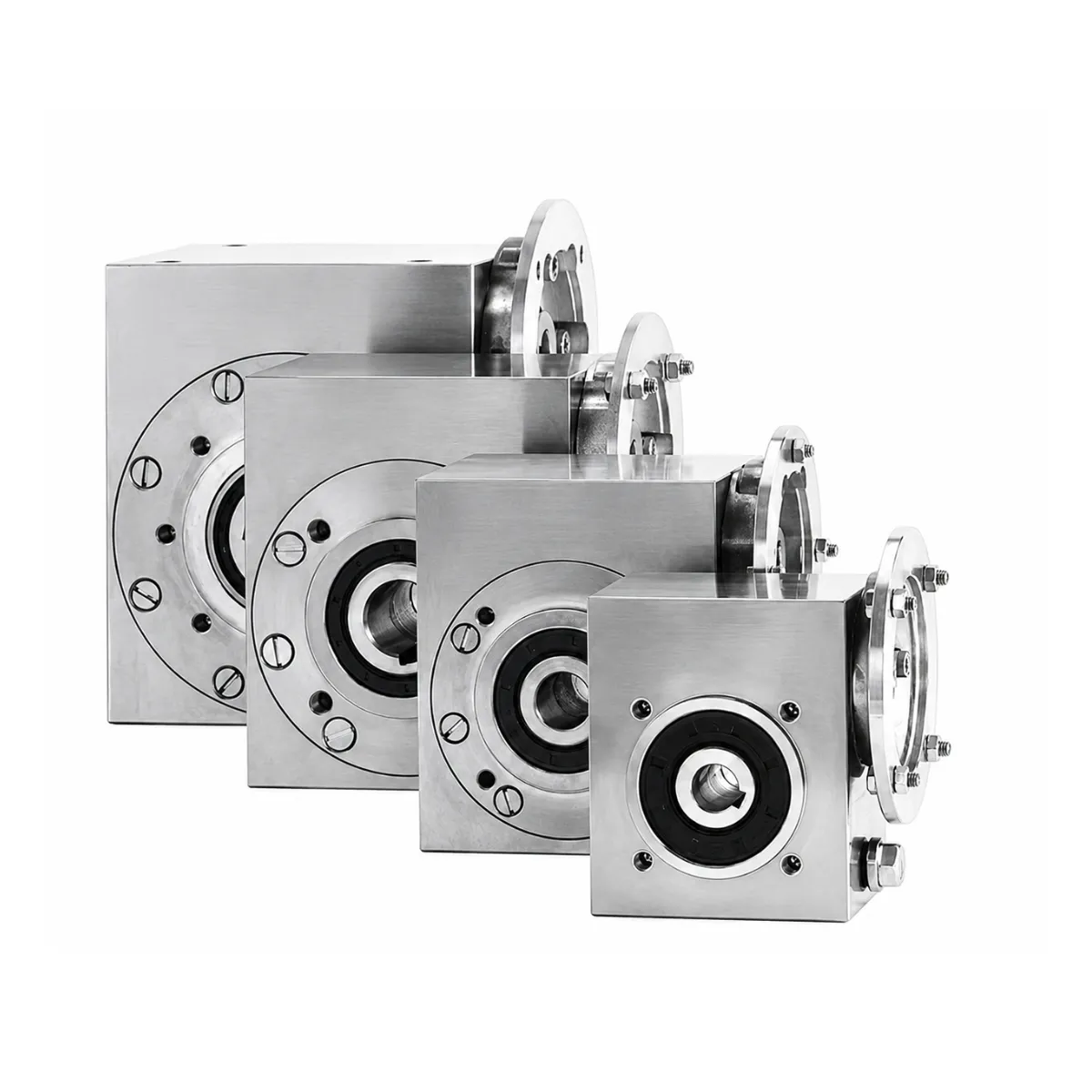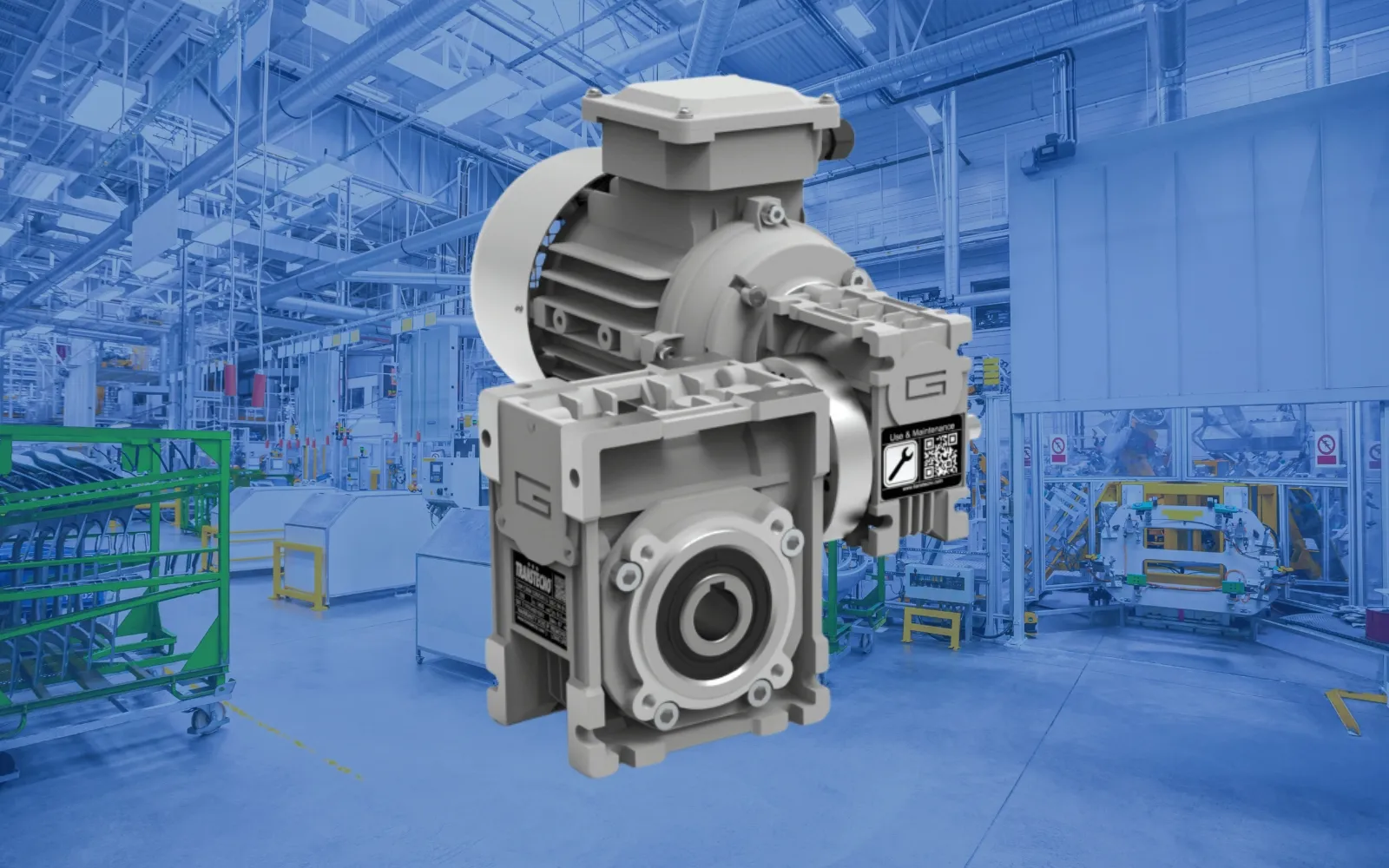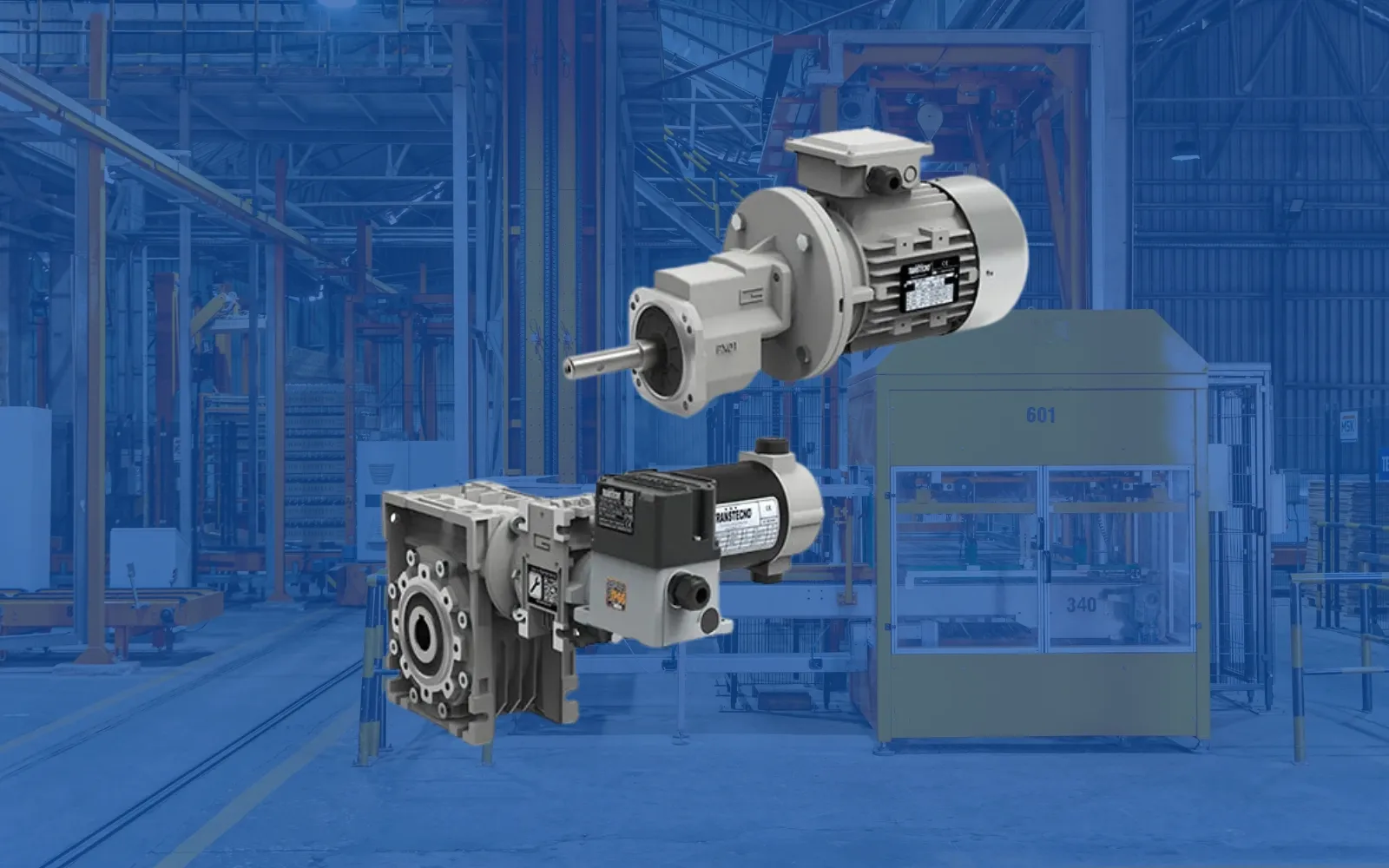
An electric motor worm gearbox is one of the most common drive solutions used when industrial machinery needs controlled speed reduction, compact right-angle power transmission and reliable torque output. For many Australian businesses, it is a practical way to turn the high-speed rotation of an electric motor into slower, stronger movement that suits conveyors, packaging equipment, mixers, gates, augers and general powered machinery.
Because every application has different load, speed, mounting and environmental requirements, choosing the right motor and gearbox combination is not always as simple as matching a part number. This guide explains common applications for electric motor worm gearboxes and what to consider before requesting a replacement or new drive solution.
What Is an Electric Motor Worm Gearbox?
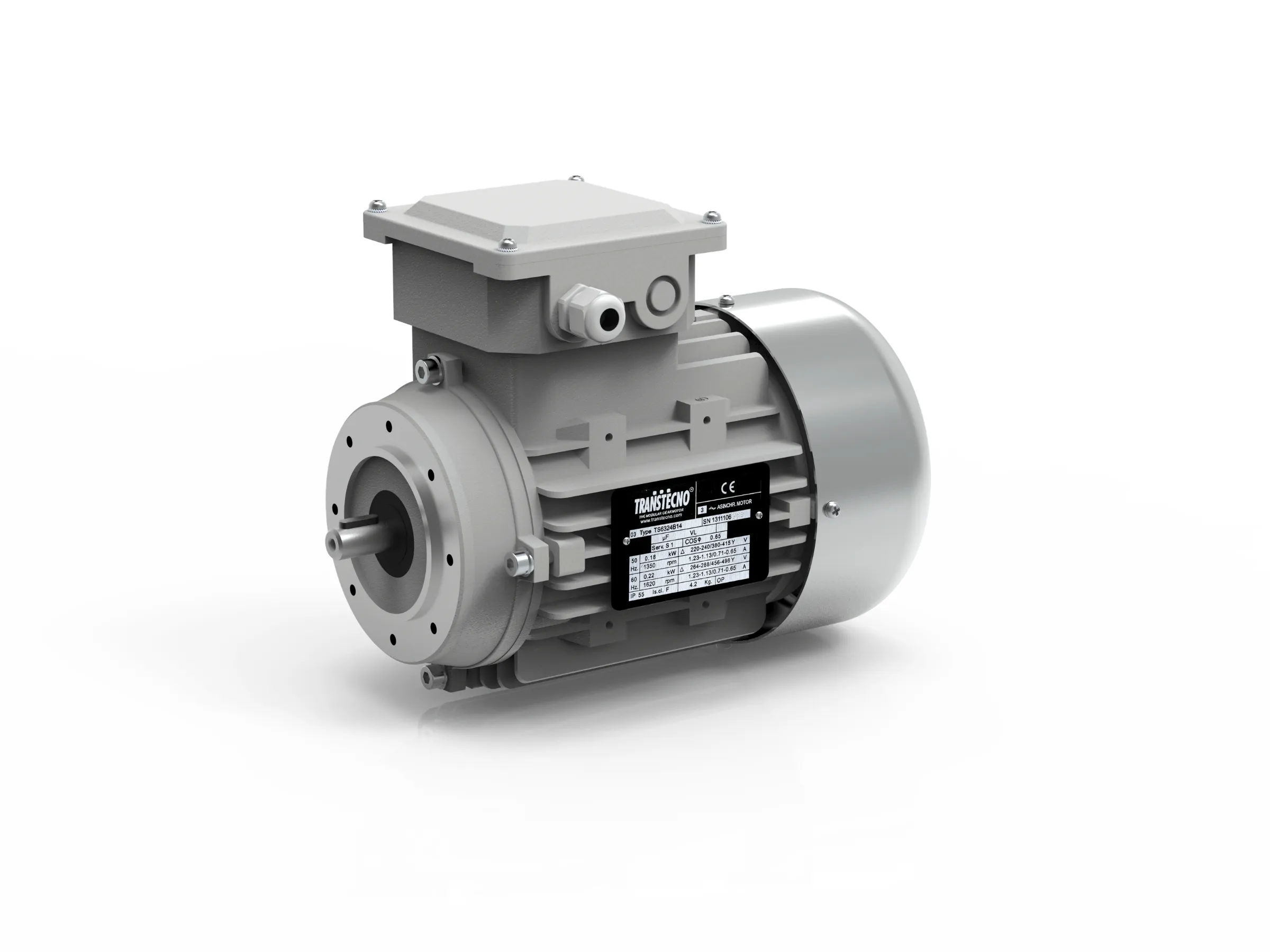
An electric motor worm gearbox is a drive arrangement where an electric motor is connected to a worm gearbox. The motor provides rotational power, while the worm gearbox reduces output speed and increases usable torque.
Inside the gearbox, a worm screw drives a worm wheel. This design allows power to be transferred at a right angle, making worm gearboxes useful where machinery space is limited or where the output shaft needs to sit at 90 degrees to the motor.
In simple terms, the motor creates motion, and the worm gearbox makes that motion slower, stronger and easier to control for the machine.
Why Are Worm Gearboxes Used With Electric Motors?
Worm gearboxes are popular in industrial machinery because they solve several common drive challenges at once.
They are often used when equipment needs:
- Reduced output speed from a faster electric motor
- Higher torque at the driven shaft
- A compact right-angle drive layout
- Smooth and controlled movement
- Simple integration into existing machinery
- A cost-effective gear reduction solution
For Australian industrial customers, this makes worm gearboxes suitable for both new machine builds and replacement work where an existing gearbox or gearmotor has failed.
Where Are Electric Motor Worm Gearboxes Used?
Conveyors and Material Handling Equipment
One of the most common uses for an electric motor worm gearbox is conveyor equipment. Conveyors often need steady, controlled movement rather than high-speed rotation. A worm gearbox helps reduce motor speed while providing the torque required to move belts, rollers or product loads.
These drive systems may be used in manufacturing facilities, warehouses, packaging lines, food processing plants and general material handling operations.
When selecting a gearbox for a conveyor, important factors include belt speed, load weight, start-stop frequency, duty cycle and whether the conveyor runs continuously or intermittently.
Packaging and Processing Machinery
Packaging machines often rely on controlled mechanical movement. Electric motor worm gearboxes can be used in filling lines, labelling systems, wrapping machines, carton handling equipment and other automated processes.
In these applications, consistent speed and reliable torque are important. A poorly matched gearbox can cause inconsistent movement, overheating, premature wear or reduced machine uptime.
For packaging and processing equipment, it is important to consider motor power, gearbox ratio, output speed, mounting position and whether the application requires a brake, speed controller or washdown-suitable components.
Mixers, Agitators and Slow-Speed Machinery
Many mixers, agitators and rotating machines need slow, powerful movement. An electric motor on its own may rotate too quickly for the application, while a worm gearbox can reduce the speed and increase torque at the output shaft.
This can be useful for machinery used in agriculture, water treatment, manufacturing and light industrial processing. Applications may include small mixers, dosing systems, augers, rotating drums and other equipment that needs steady low-speed rotation.
The key selection factors are the material being moved, starting load, shock load, run time and the required output revolutions per minute.
Agricultural and Farming Equipment
Australian farms and agricultural operations use powered machinery across feeding systems, augers, gates, conveyors, pumps and processing equipment. Electric motor worm gearboxes can be suitable where compact gear reduction and reliable torque are needed.
Agricultural environments can be demanding, with dust, moisture, vibration and long operating hours. This makes correct gearbox sizing and motor selection especially important. A gearbox that is too small for the load may run hot or fail early, while an incorrectly mounted unit may suffer lubrication issues over time.
For rural and agricultural applications, it is useful to provide details such as available power supply, expected daily run time, shaft direction, mounting position and operating environment.
Gates, Lifting Mechanisms and Controlled Movement
Worm gearboxes are also used in applications that require controlled movement, such as gates, hoists, lifting mechanisms, adjustment systems and positioning equipment.
Depending on the gearbox ratio and machine design, some worm gearboxes can offer resistance to back-driving. However, this should not be assumed as a safety feature without proper technical assessment. If the application involves lifting, holding or suspended loads, the drive system may need additional braking, locking or safety components.
This is where speaking with a technical supplier matters. The correct solution depends on load weight, movement direction, duty cycle, safety requirements and the consequences of drive failure.
Compact Right-Angle Drive Applications
Space restrictions are another reason electric motor worm gearboxes are commonly used. Because the output shaft is positioned at a right angle to the motor, the complete drive assembly can often fit into machinery where a straight inline gearbox would be difficult to install.
This can be useful for equipment frames, compact automation systems, retrofits and replacement jobs where the machine layout cannot easily be changed.
Before replacing a compact right-angle drive, check the shaft size, mounting flange, output direction, gearbox ratio, motor frame size and physical space around the unit.
What Should You Check Before Choosing a Gearbox?
To choose the right electric motor worm gearbox, you need more than just the motor power or gearbox size. The most useful details include:
- Required output speed or gearbox ratio
- Motor voltage and phase
- Load type and starting load
- Required torque at the output shaft
- Mounting position and available space
- Shaft size and orientation
- Duty cycle and operating hours
- Environmental conditions such as dust, heat or moisture
- Whether speed control, braking or reversing is required
If you are replacing an existing unit, photos of the motor nameplate, gearbox nameplate and the complete installation can help identify the closest replacement option.
When Is a Complete Gearmotor the Better Option?
| Consideration | Separate motor and gearbox | Complete gearmotor |
|---|---|---|
| Matching | You confirm flange, frame and input fit | Matched by the manufacturer |
| Best suited to | Retrofits and reusing an existing motor | New builds and repeat OEM production |
| Ordering | Two components to align | Single assembly |
| Site constraints | Easier to match a specific motor frame | Fixed combination |
In some cases, it makes sense to supply the electric motor and worm gearbox as a complete gearmotor assembly. This can simplify selection because the motor, gearbox, flange and input connection are matched together.
A complete gearmotor can be useful for OEM machinery, repeat production builds and applications where the existing setup is already a combined motor and gearbox unit.
In other cases, a separate motor and gearbox may be better, especially if the customer needs to reuse an existing motor, match a specific motor frame or meet a particular site requirement.
Motordrives Australia can help assess whether a standalone worm gearbox, replacement electric motor or complete gearmotor assembly is the better option for your machinery.
Need Help Choosing an Electric Motor Worm Gearbox?
The right electric motor worm gearbox depends on the machine, load, speed, duty cycle, mounting position and operating environment. Getting these details right can improve reliability, reduce downtime and help avoid premature gearbox or motor failure.
If you need a replacement worm gearbox, a complete gearmotor assembly or help selecting a drive system for a specialised project, contact Motordrives Australia. Our team can help you identify the right gearbox, electric motor or power transmission solution for your application.