Selecting a three phase AC electric motor is rarely just a case of matching a kilowatt rating. Get the speed, frame size, mounting or protection wrong and the motor either will not fit, will not couple to your gearbox, or will not survive the operating environment.
This guide walks through the main parameters you need to confirm before ordering a three phase induction motor in Australia, written for people speccing real machinery rather than browsing.
What Is a Three Phase AC Induction Motor?
A three phase AC induction motor converts electrical power into rotary mechanical power using three phase mains supply. It is the workhorse of industrial drives because it is robust, efficient and has no brushes to wear out.
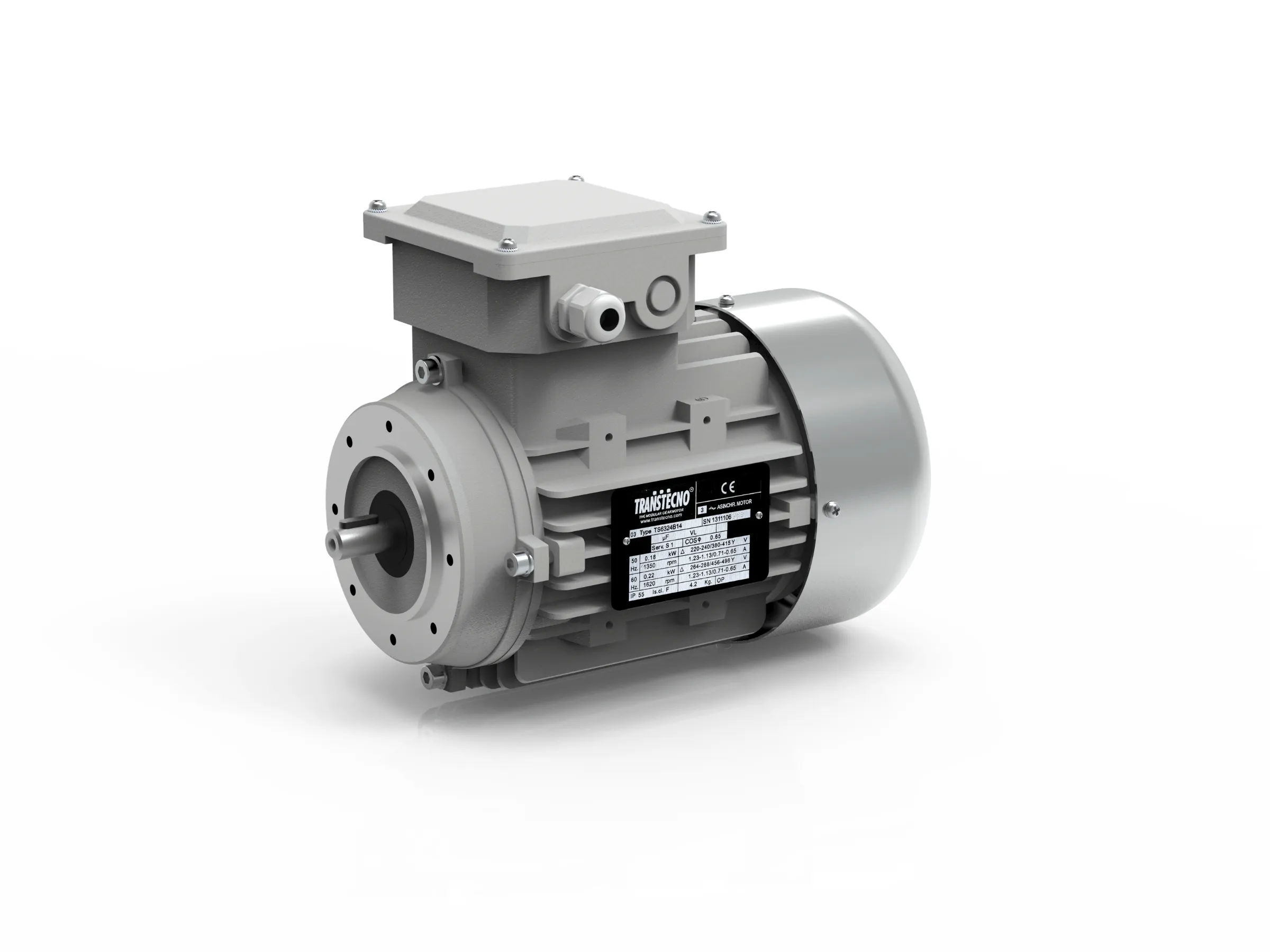
In Australia the standard supply is 400 V (often quoted as 415 V) three phase at 50 Hz, so your motor windings need to suit that. Many motors, such as the TS Series three phase AC electric motors we supply, are wound 230/400 V at 50 Hz, which lets them run in delta on 230 V or star on 400 V to match local supply.
Step One: Confirm the Power Rating
Power is the headline number, quoted in kilowatts (kW). It is set by the load you need to drive, not by the motor you happen to have.
Work from the driven equipment. A pump, fan, conveyor or mixer manufacturer will give you an absorbed power figure or a duty point. Size the motor above that absorbed power, with margin for start up and service factor.
Avoid oversizing for its own sake. A motor running well below its rated load draws a poor power factor and wastes energy, while an undersized motor overheats and fails early.
Step Two: Choose the Number of Poles (Speed)
| Poles | Approximate speed at 50 Hz | Typical use |
|---|---|---|
| 2 pole | 2,800 to 2,900 rpm | High-speed direct drive |
| 4 pole | 1,400 to 1,450 rpm | General purpose, pairs with gearboxes |
| 6 pole | 900 to 950 rpm | Slower direct drive |
| 8 pole | Around 700 rpm | Low-speed applications |
Pole count sets the synchronous speed of the motor at 50 Hz:
- 2 pole, around 2,800 to 2,900 rpm
- 4 pole, around 1,400 to 1,450 rpm
- 6 pole, around 900 to 950 rpm
- 8 pole, around 700 rpm
Four pole is the most common general purpose choice and pairs well with gear reducers. If you need a specific output speed, it is usually cleaner to pick a 4 pole motor and a gearbox ratio than to chase an unusual pole count.
Speed and Gearmotors
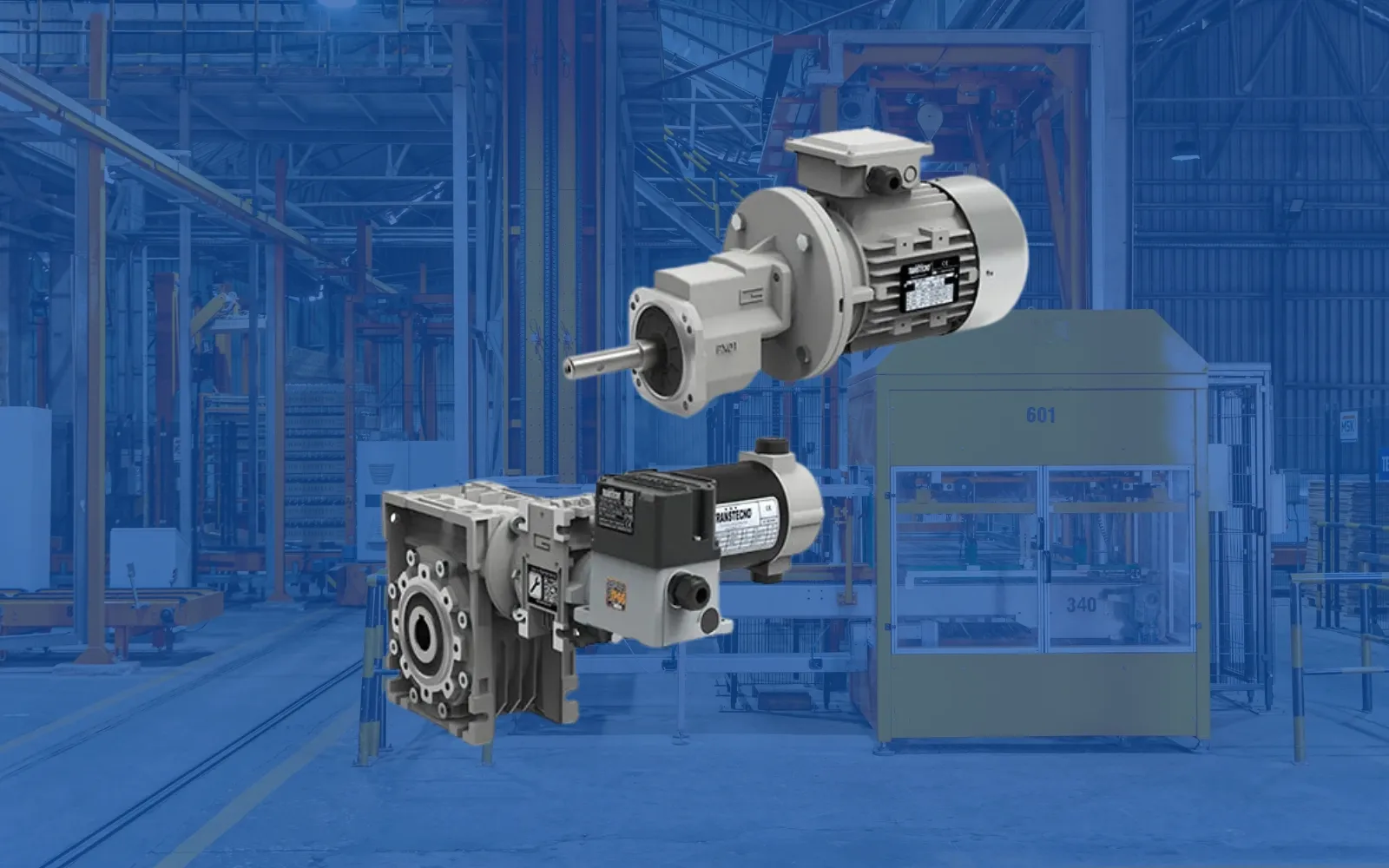
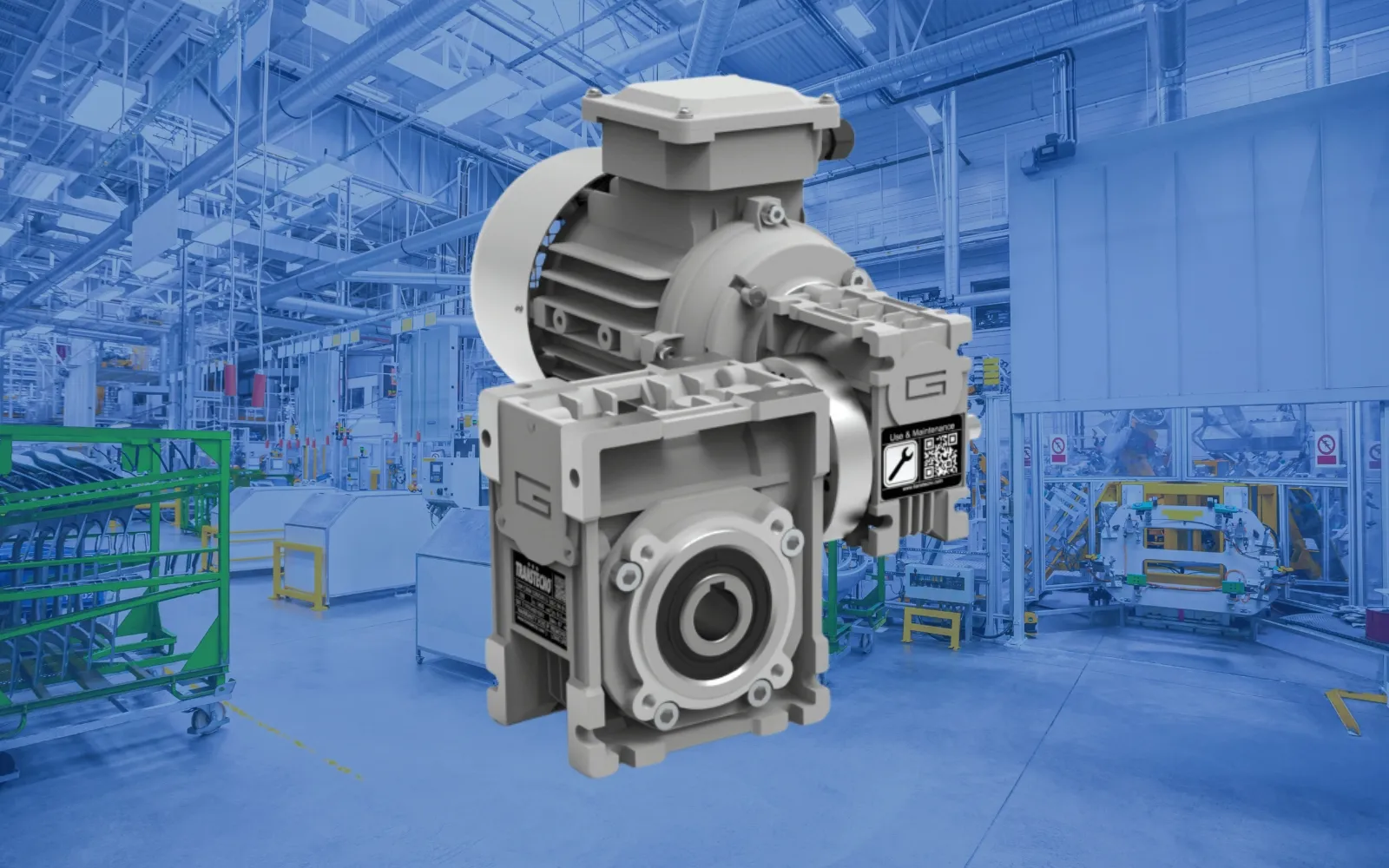
Most industrial drives do not run the motor speed directly. They pair the motor with a worm or helical gearbox to drop the speed and multiply torque. If that is your case, confirm the motor frame and flange match the gearbox input before ordering, so the two actually bolt together.
Step Three: Match Voltage and Frequency
Confirm the motor is rated for 400 V three phase at 50 Hz for Australian supply. Dual voltage windings such as 230/400 V give you flexibility and also suit star delta starting on larger frames.
If the motor will run on a variable speed drive (VFD), tell your supplier. Inverter duty, winding insulation and cooling all matter once you start varying frequency, especially at low speed where a shaft mounted fan moves less air.
Step Four: Frame Size and Mounting
| Mounting | Description | Typical use |
|---|---|---|
| B3 | Foot mount, bolts down to a base | Standalone motors on a bedplate |
| B5 | Large spigot flange | Bolting directly to a gearbox or machine face |
| B14 | Smaller threaded face flange | Compact gearmotor assemblies |
Frame size is the physical dimension standard that fixes shaft height, shaft diameter and bolt patterns. It is what makes a motor a drop in replacement, or not.
Mounting type is just as important:
- B3 foot mount sits on its feet and bolts down to a base
- B5 flange has a large spigot flange for bolting directly to a gearbox or machine face
- B14 face flange has a smaller threaded face flange for compact assemblies
For gearmotor builds, B5 and B14 flanges are the usual choice because they couple straight onto a reducer. Confirm the flange designation and spigot diameter, not just “flange mount”.
Step Five: Protection, Cooling and Insulation
The operating environment decides the enclosure:
- IP rating sets dust and water ingress protection. IP55 suits most general industrial sites. For washdown, wet or dusty environments, step up to a sealed option such as our IP66 AC electric motors.
- TEFC (totally enclosed fan cooled) is the standard cooling arrangement for dirty environments.
- Insulation class (commonly Class F) sets the thermal headroom. Class F with a Class B temperature rise is a common, conservative specification.
Step Six: Duty Cycle and Efficiency
Confirm the duty. A motor running continuously (S1) is specced differently from one that starts and stops frequently or runs in short bursts. High starting frequency drives heat, so flag it early.
Efficiency class (IE2, IE3) affects running cost over the life of the motor. For motors that run long hours, a higher efficiency class usually pays back through lower energy use.
What Do You Need Before Requesting a Price?
Before you request a price, have these ready:
- Required power in kW, from the driven load
- Output speed or pole count
- Supply voltage and frequency (400 V, 50 Hz in Australia)
- Frame size and shaft details, if replacing an existing motor
- Mounting type (B3, B5 or B14) and flange details
- IP rating and operating environment
- Duty cycle and start frequency
- Whether it runs on a VFD
- Whether it pairs with a gearbox, and which one
Get the Specification Confirmed
If you are replacing a failed motor or building a new drive, sending through the nameplate details and the points above lets us confirm a suitable motor quickly. For a compact, economical aluminium frame option, the TS Series three phase AC electric motor covers 0.09 kW to 3.0 kW in 4 pole with B5 or B14 flange mounting, and pairs directly with our gear reducers.
Send us your application details and we will help you match the right three phase motor, or the right motor and gearbox combination, for the job.