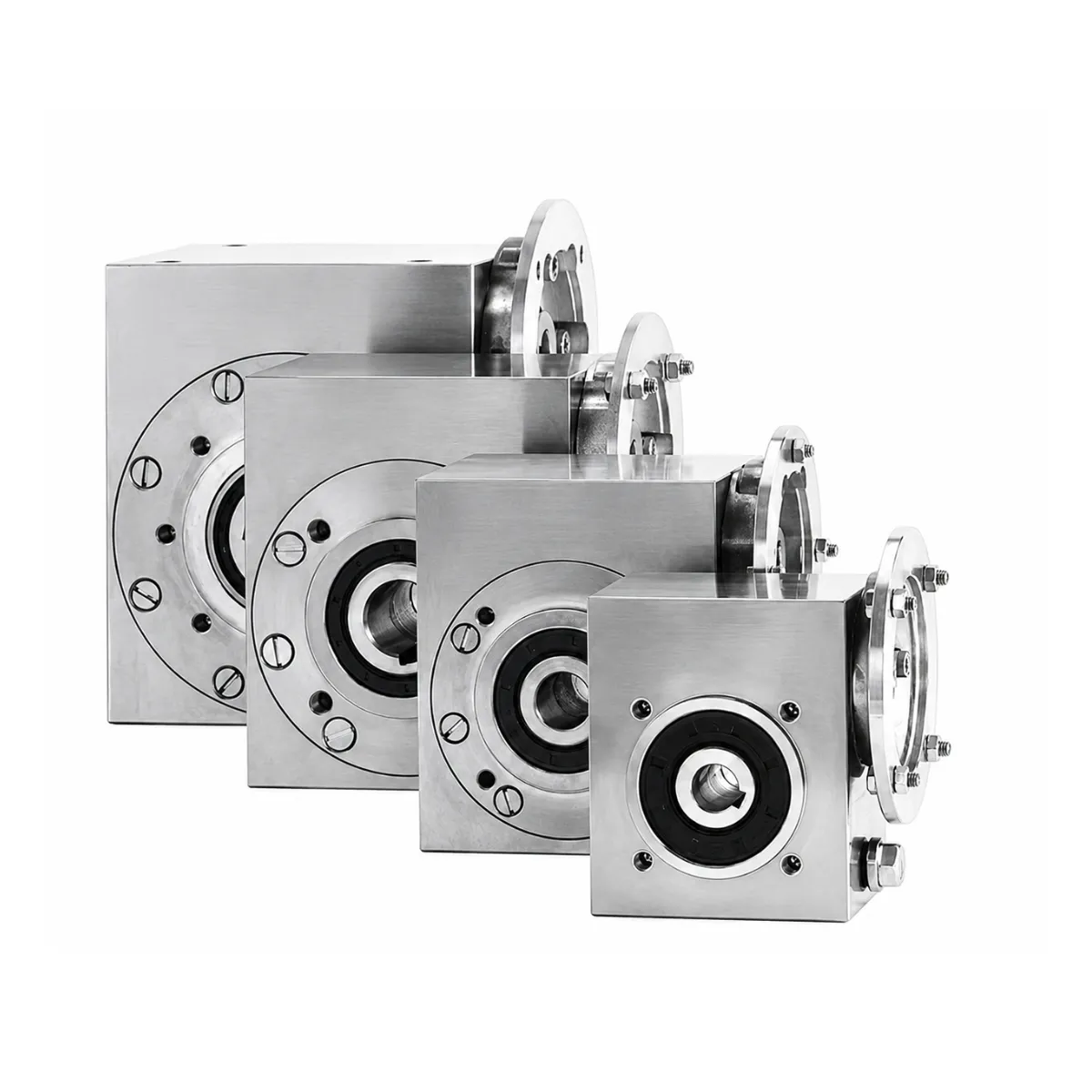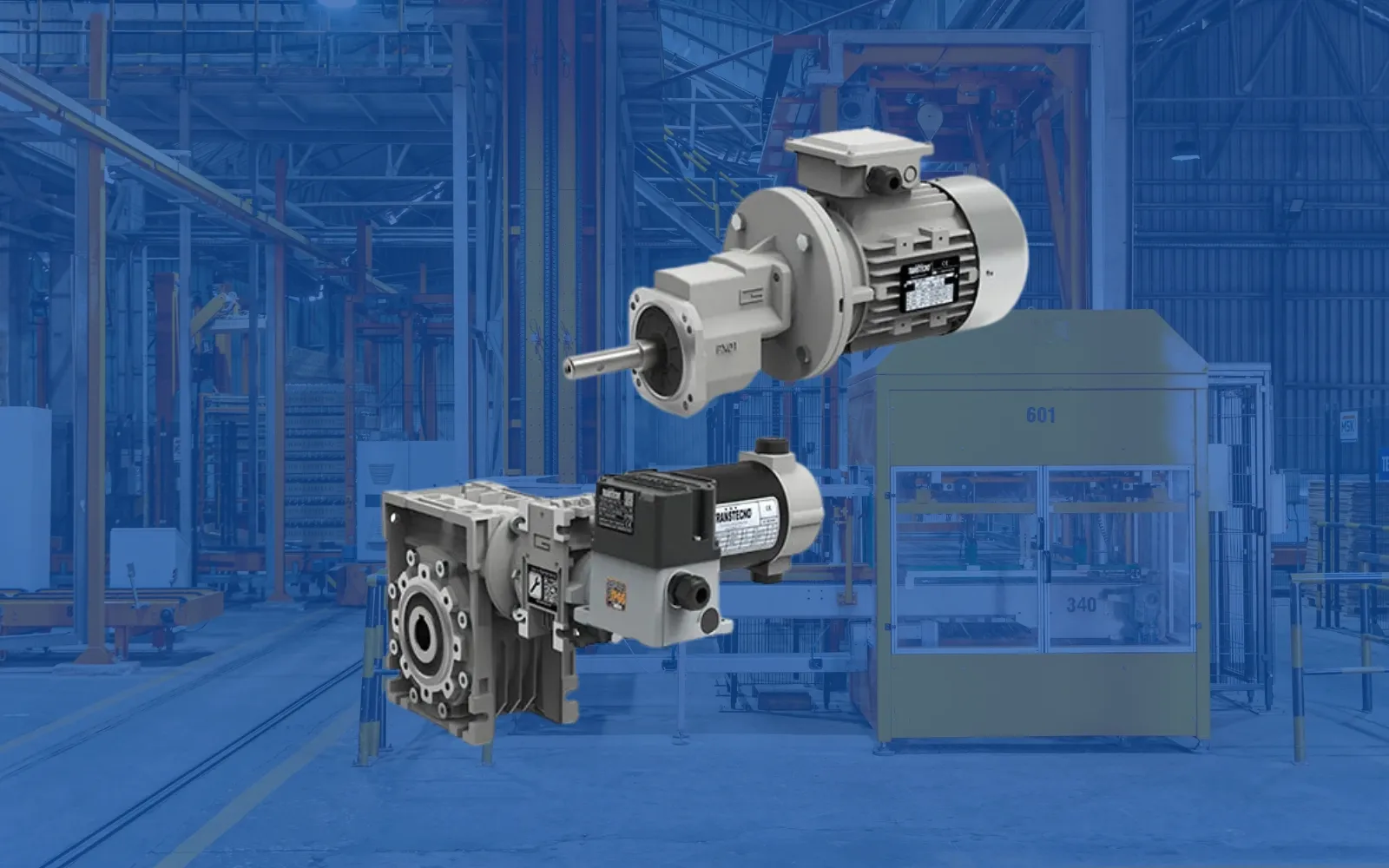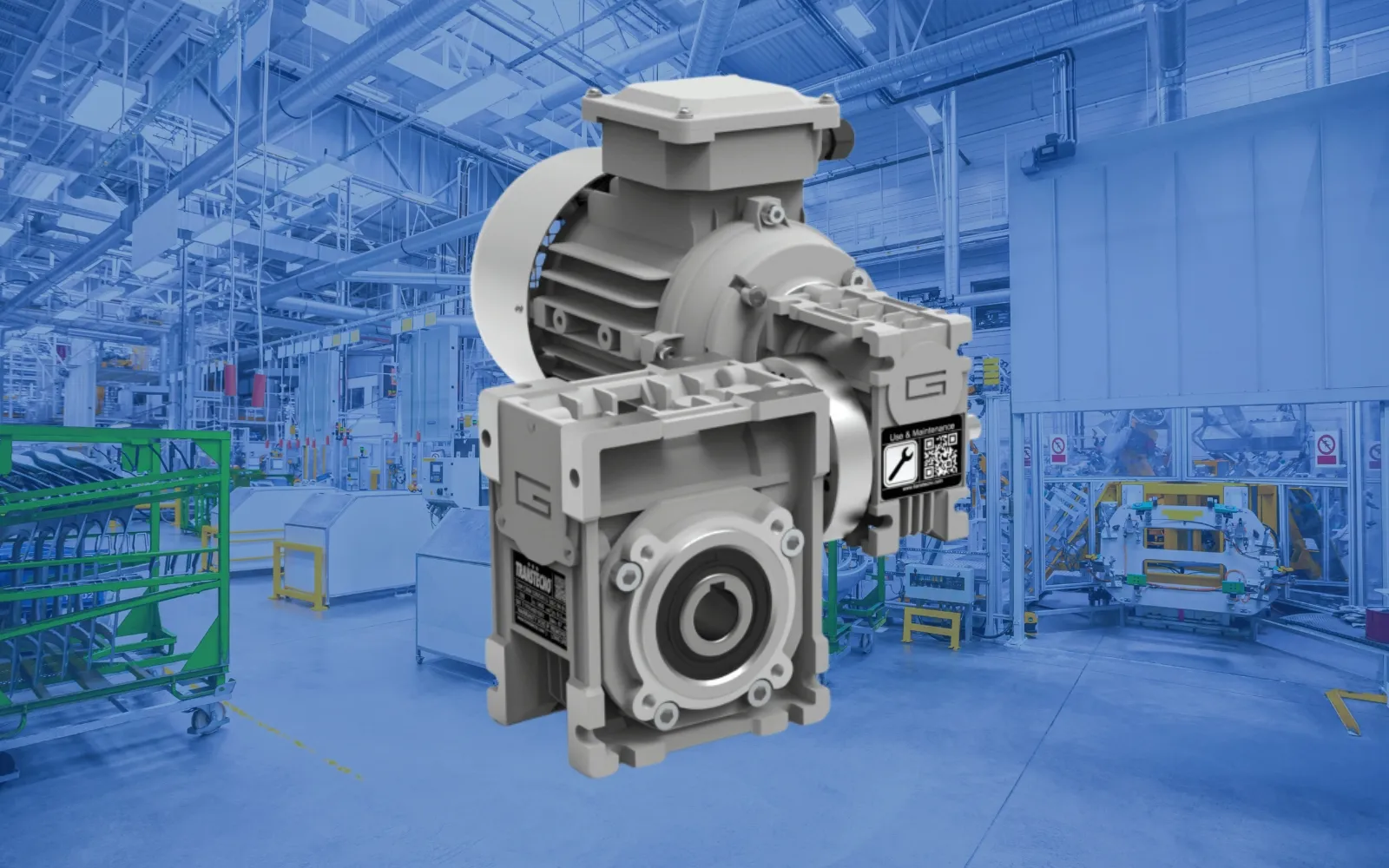
Worm gearboxes are one of the most common gearbox types used in powered machinery equipment. They are compact, reliable and useful when a machine needs to reduce speed while increasing torque.
You will often find worm gearboxes used in conveyors, packaging machinery, food processing equipment, lifting systems, mixers, gates, agricultural equipment and general industrial machinery.
The basic job of a worm gearbox is simple: it takes the fast rotation from an electric motor and converts it into slower, stronger output movement. This helps machinery run at the correct speed while producing the torque needed to move a load.
For Australian industrial customers, choosing the correct worm gearbox is important. A gearbox that is too small, incorrectly rated or poorly matched to the application can lead to overheating, wear, breakdowns and unnecessary downtime.
What Is a Worm Gearbox?
A worm gearbox is a mechanical speed reducer that uses two main gear components: a worm screw and a worm wheel.
The worm screw looks similar to a threaded shaft. As it rotates, it drives the worm wheel, which then turns the output shaft connected to the machinery.
Most worm gearboxes transfer power at a 90-degree angle. This means the input shaft and output shaft are usually positioned at right angles to each other. This makes worm gearboxes useful in machinery where space is limited or where the motor needs to be mounted in a different direction to the driven equipment.
In simple terms, a worm gearbox helps powered machinery achieve:
- Lower output speed
- Higher output torque
- Controlled movement
- Compact right-angle power transmission
How Do Worm Gearboxes Work?
Worm gearboxes work by using the rotating worm screw to turn the worm wheel.
When an electric motor rotates the worm shaft, the thread of the worm pushes against the teeth of the worm wheel. This causes the worm wheel to rotate at a reduced speed.
The amount of speed reduction depends on the gearbox ratio.
For example, if a worm gearbox has a 20:1 ratio, the input shaft needs to rotate 20 times for the output shaft to rotate once.
That means if the motor is running at 1400 RPM, the gearbox can reduce the output speed to approximately 70 RPM, depending on the exact gearbox design and operating conditions.
This speed reduction also increases torque, which is why worm gearboxes are commonly used in machinery that needs strong, controlled movement rather than high-speed rotation.
What Is Inside a Worm Gearbox?
A worm gearbox may look simple from the outside, but inside it contains several important components that work together to transfer power.
Worm Shaft
The worm shaft is usually the input shaft of the gearbox. It is connected to the electric motor or input drive.
The worm shaft has a spiral thread that meshes with the worm wheel. As the worm shaft rotates, it drives the worm wheel and creates the speed reduction.
The quality and finish of the worm shaft can affect gearbox efficiency, noise, heat and service life.
Worm Wheel
The worm wheel is the gear that is driven by the worm shaft. It is usually mounted on the output shaft of the gearbox.
In many industrial worm gearboxes, the worm wheel is made from bronze or a bronze alloy. This helps reduce friction and wear when it meshes with the steel worm shaft.
The number of teeth on the worm wheel helps determine the gearbox ratio.
Output Shaft
The output shaft transfers the reduced speed and increased torque from the gearbox to the machine.
Depending on the gearbox style, the output may be a hollow shaft, solid shaft, keyed shaft or flange-mounted output. The correct output style depends on how the gearbox connects to the equipment.
Bearings
Bearings support the rotating shafts inside the gearbox. They help keep the worm shaft and output shaft aligned while reducing friction.
Good bearing support is important because worm gearboxes can experience radial and axial loads during operation.
Gearbox Housing
The gearbox housing protects the internal components and keeps everything aligned. It also holds the lubrication needed for the gearbox to operate correctly.
Gearbox housings are commonly made from aluminium, cast iron or other industrial materials depending on the size, duty and application.
Seals
Seals help keep oil or grease inside the gearbox while preventing dust, moisture and contaminants from entering.
This is especially important in harsh industrial environments where machinery may be exposed to washdown, dust, heat, moisture or outdoor conditions.
Lubrication
Lubrication is critical in worm gearboxes because the worm and wheel operate with sliding contact.
Correct lubrication helps reduce friction, control heat and protect the internal gear surfaces from wear.
Poor lubrication can cause overheating, increased wear, reduced efficiency and gearbox failure.
Why Are Worm Gearboxes Used in Powered Machinery?
Worm gearboxes are widely used because they offer a practical combination of speed reduction, torque increase and compact design.
Compact Speed Reduction
Worm gearboxes can achieve high reduction ratios in a relatively small gearbox body. This makes them useful when machine space is limited.
Increased Torque
By reducing speed, worm gearboxes increase output torque. This helps machinery move heavier loads or operate with more controlled force.
Right-Angle Drive Design
Because worm gearboxes usually transfer power at 90 degrees, they can simplify machine layouts where the motor and driven shaft need to face different directions.
Smooth Operation
Worm gearboxes are often chosen for applications where smooth and controlled movement is important.
Potential Resistance to Back-Driving
Some worm gearbox designs can resist being driven backwards from the output side. This is sometimes referred to as self-locking.
However, self-locking should never be assumed for safety-critical applications. If a machine needs reliable load holding, braking or lifting safety, the application should be properly assessed and may require a dedicated brake or holding device.
Where Are Worm Gearboxes Used?
Worm gearboxes are used across many industries and machinery types.
Common applications include:
- Conveyor systems
- Packaging machines
- Food and beverage equipment
- Material handling equipment
- Gate and door automation
- Mixers and agitators
- Lifting and positioning equipment
- Agricultural machinery
- Processing equipment
- Rotary tables
- Industrial automation systems
For many applications, a worm gearbox is selected because it is compact, cost-effective and easy to connect to an electric motor.
How Do Worm Gearbox Ratios Work?
The gearbox ratio tells you how much the gearbox reduces the input speed.
A 10:1 worm gearbox means the input shaft rotates 10 times for every one rotation of the output shaft.
A 40:1 worm gearbox means the input shaft rotates 40 times for every one rotation of the output shaft.
A higher ratio gives a slower output speed and usually more output torque. However, higher ratios can also create more heat and reduce efficiency.
This is why gearbox selection should be based on the actual application, not just the highest available ratio.
Are Worm Gearboxes Efficient?
Worm gearboxes are useful, but they are generally less efficient than some other gearbox types, such as helical gearboxes.
This is because worm gearboxes rely on sliding contact between the worm shaft and worm wheel. Sliding contact creates friction, and friction generates heat.
The efficiency of a worm gearbox depends on several factors, including:
- Gearbox ratio
- Load
- Input speed
- Lubrication
- Duty cycle
- Gearbox quality
- Operating temperature
For many light and medium-duty machinery applications, worm gearboxes are a reliable and practical option. For high-power, continuous-duty or high-efficiency applications, another gearbox type may be more suitable.
Motordrives Australia can help assess whether a worm gearbox is the right choice for your machinery or whether a different gearbox style would be better suited.
What Should You Consider When Choosing a Worm Gearbox?
Choosing the right worm gearbox involves more than matching the shaft size or motor size.
Before selecting a gearbox, it is important to consider the full operating conditions.
Required Output Speed
The gearbox ratio must reduce the motor speed to the correct output speed for the machine.
If the output speed is too fast or too slow, the equipment may not operate correctly.
Required Torque
The gearbox must be rated to handle the torque required by the load.
An undersized gearbox can overheat, wear prematurely or fail under load.
Motor Power
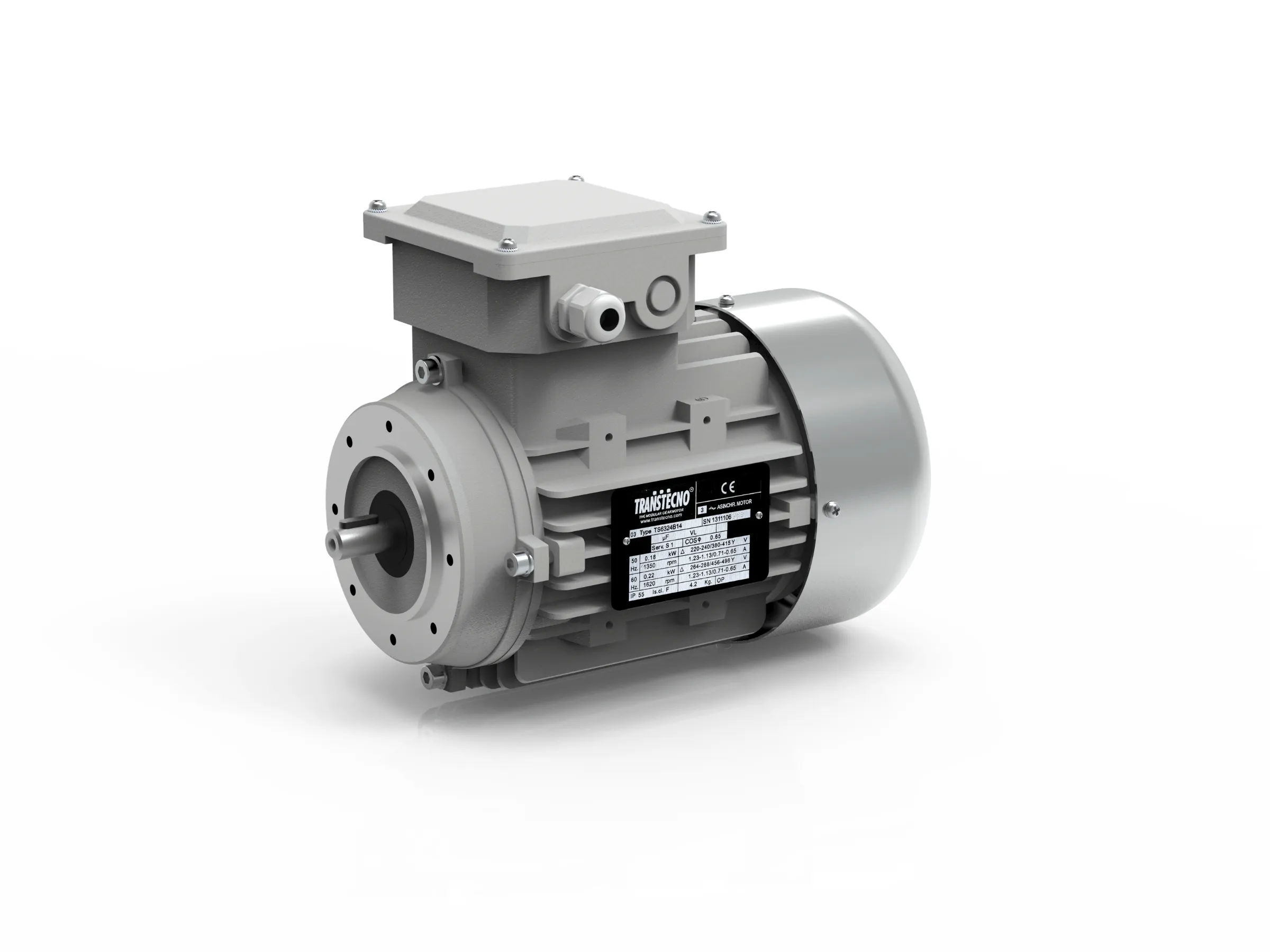
The gearbox needs to be matched to the electric motor power and frame size.
Many worm gearboxes are designed to connect directly to standard IEC electric motors, but the motor size, flange, shaft and power rating still need to be checked.
Duty Cycle
A gearbox that runs occasionally has different requirements from a gearbox that runs continuously throughout the day.
Continuous-duty applications need careful consideration of heat, service factor and lubrication.
Mounting Position
The mounting position can affect lubrication inside the gearbox.
Some worm gearboxes require different oil levels, breather positions or mounting considerations depending on whether they are installed horizontally, vertically or at an angle.
Operating Environment
Dust, moisture, outdoor exposure, washdown areas and high temperatures can all affect gearbox selection.
In harsh environments, sealing, corrosion resistance and protection rating become more important.
Worm Gearbox vs Worm Gearmotor
| Criteria | Worm Gearbox | Worm Gearmotor |
|---|---|---|
| Supplied as | Reducer only | Reducer and motor, matched |
| Motor sizing | You specify and match the motor | Pre-matched by the manufacturer |
| Typical use | Retrofit onto an existing motor | New machine builds |
| Ordering | Two part numbers to align | Single part number |
If you already have a suitable motor, you may only need a replacement worm gearbox. If you are building a new machine or replacing a complete drive system, a worm gearmotor may be the better option.
Motordrives Australia supplies worm gearboxes and complete gearmotor solutions for a wide range of industrial machinery and power transmission applications.
Need Help Choosing a Worm Gearbox?
If you are looking for a worm gearbox for powered machinery, the right choice depends on your required speed, torque, motor size, mounting position, duty cycle and operating environment.
Motordrives Australia can help you choose the correct worm gearbox, replacement gearbox or complete gearmotor solution for your equipment.
Whether you need a single replacement unit, a new gearbox for a machine build or support with a specialised power transmission application, our team can help.
Contact Motordrives Australia today for practical advice on selecting the right worm gearbox, gearmotor, electric motor or power transmission solution for your machinery.